

As you’ll see below, I’m not the person you’d naturally turn to for enthusiasm about team sports. But I live in a world that holds such things dear, and I’ve managed those pressures as best I can. Sean Jacobs, whose work I got to see early as a co-editor of The Voice of the Turtle, was already an incredible critic as a doctoral student at Goldsmith’s (see, e.g., here). Africa Is A Country remains required reading, and Sean’s now hosting commentary at Eleven Named People while in recovery from the academy, and he invited me to answer his eleven questions. I’m very excited for what comes next for him. Meantime, here are some biographical takes on sport and nation from me. (And, yes, in the final 11 that’s this Jacqueline Du Pré. I’m relistening to her recordings of the Elgar Cello Concerto — Barbirolli, not Barenboim — and am awestruck still.)
11 Questions: Raj Patel
As football mourns Kevin Keegan - one of writer, filmmaker and activist Raj Patel’s sporting heroes - Patel answers 11 questions on fandom, players, teams, and identity.
Jul 22, 2026
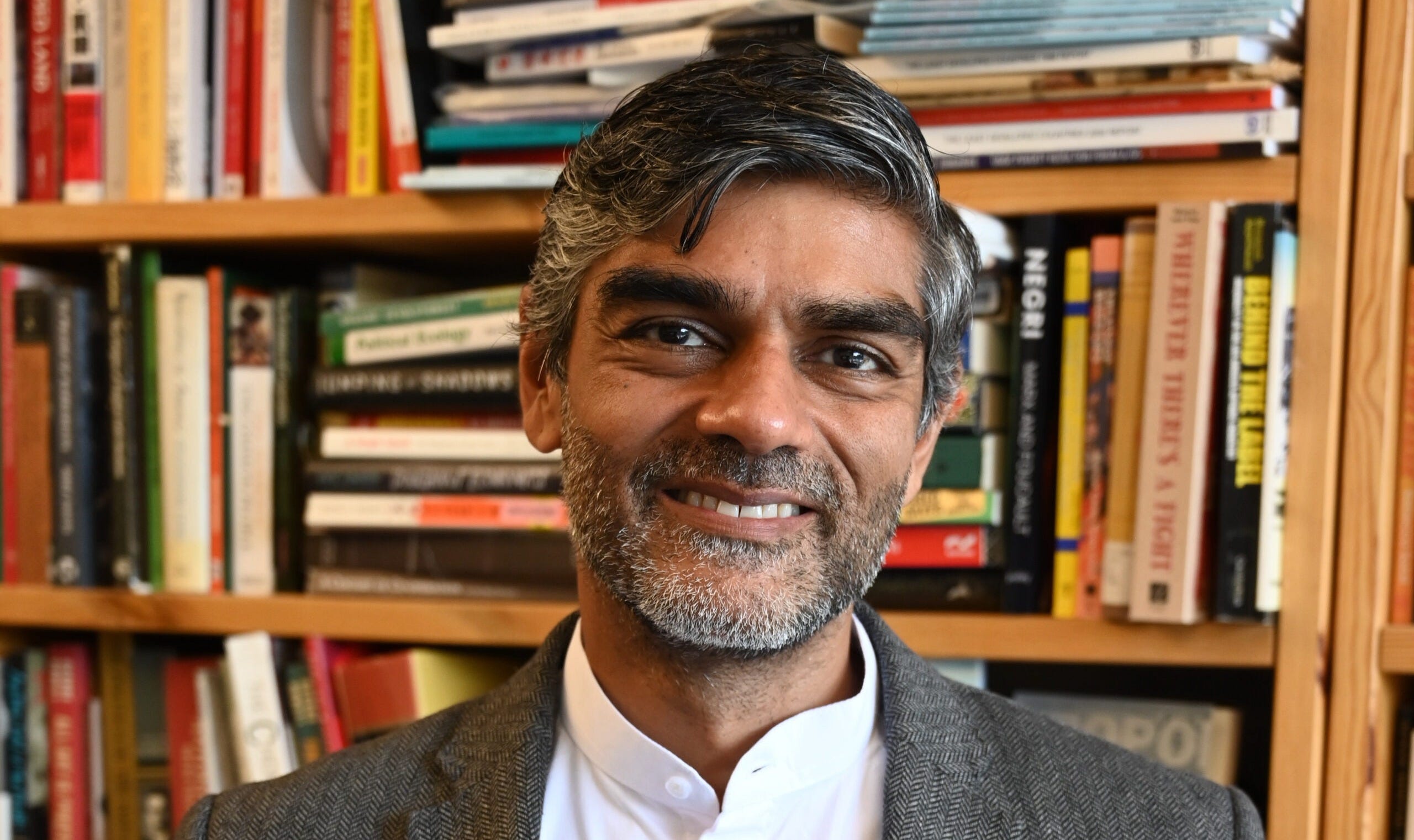
The political economist Raj Patel invited me to contribute early in my online writing, outside the mainstream, to Voice of the Turtle, a publication at the beginning of digital journalism that he co-edited. At the time, I was a Ph.D. student in Politics at Birkbeck College. (He later finished his doctorate at Cornell.) One of the posts is republished here. Raj researches and agitates around food politics; makes films; and has worked for international financial institutions and with poor people’s campaigns. Born in London, he has lived in the US for at least the last two decades or more. His day job is as a research professor of public policy at the University of Texas at Austin. He has written a couple of widely acclaimed books: “Stuffed and Starved: The Hidden Battle for the World Food System,” “The Value of Nothing,” “Inflamed: Deep Medicine And The Anatomy of Injustice,” and co-authored “A History of the World in Seven Cheap Things.” He has been written about by the New York Times and The New Yorker. Below, he tries to respond to eleven questions inspired by something the historian Eric Hobsbawm said, which became the inspiration for the title of this Substack: “The imagined community of millions seems more real as a team of eleven named people.”
What was the first sports team that truly felt like your team?
Liverpool. I remember choosing them in kindergarten because of a boy called Nicholas Cook—the blond-haired, blue-eyed wunderkind of the year. He was very good at football, the most popular kid in class, he supported Liverpool, and I desperately wanted to be his friend.
So it was definitely a decision inflected by race: I was the asthmatic brown kid with no friends, trying to attach myself to someone who seemed to possess all the confidence and belonging that I didn’t.
Who was the first player whose name you memorized and who captured your imagination?
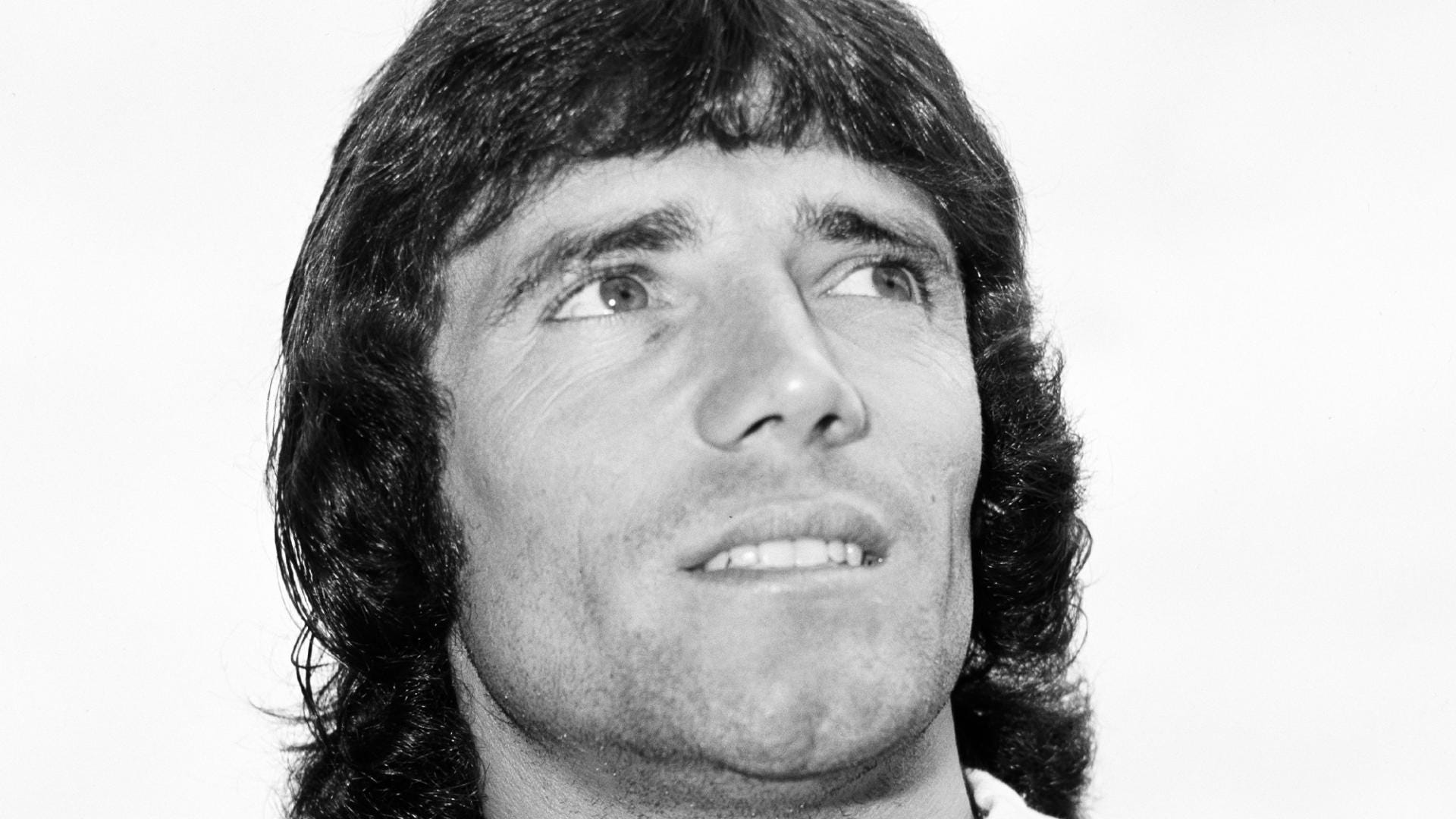
The late, great Kevin Keegan. He simply seemed to be the person everyone talked about whenever Liverpool came up, so his was the name that lodged in my mind. First time I saw him on TV I didn’t recognise him.
Did you choose the professional club and league you support, or inherit them through family, community or circumstance?
Liverpool was a choice, although—as I said—it was shaped by Nicholas Cook.
In my family, however, the major sport was cricket. My dad was good enough to be a semiprofessional county player for Middlesex, and he remains endlessly disappointed that team sports—and cricket in particular—are not my thing.
I was certainly expected to support India against Pakistan. Even in the kindergarten playground, we had not only India-versus-Pakistan cricket matches but India-versus-Pakistan fights. It was an early lesson in how nationalism perpetuates itself, with an early conscription through sport, religion and injury.
Do you see the national team you support as reflecting the state of your country? What does supporting it reveal about how you feel about the country?
I don’t have a national team. My goal is to die with as many passports as possible.
To support England would mean rallying around a flag under which I have experienced racial terror. Once you have been beaten up by people waving the St George’s Cross, it becomes very difficult to embrace its supposed unifying principles.
I have always been suspicious of the idea of eleven named men standing in for a nation, because national sport has served as an alibi for the violence directed at me and the abuse directed at my family. I don’t particularly like the idea of a national team, and I aim to practice treason for as long as I live.
Have you ever fallen out of love with a team or a sport? What changed?
I haven’t fallen out of love with a sport, because it simply isn’t in me to love watching this stuff in the first place.
The closest experience came at an American football game of the University of Texas. People often say that America doesn’t have a hooligan culture, and I understand that the demographics are different: it isn’t simply blokes of a certain age, lagered up in a particular way, who turn up to matches. There are families and people of every age.
That made the atmosphere more terrifying, not less. The game had a vaguely Nuremberg-y quality. Everyone stood for the national anthem and sang the fight song immediately after. The spectacle of sending young men out to acquire brain damage was terrifying. The fact that whole families were enthusiastically participating made me like it even less.
What is the greatest rivalry in sports history, in your view?
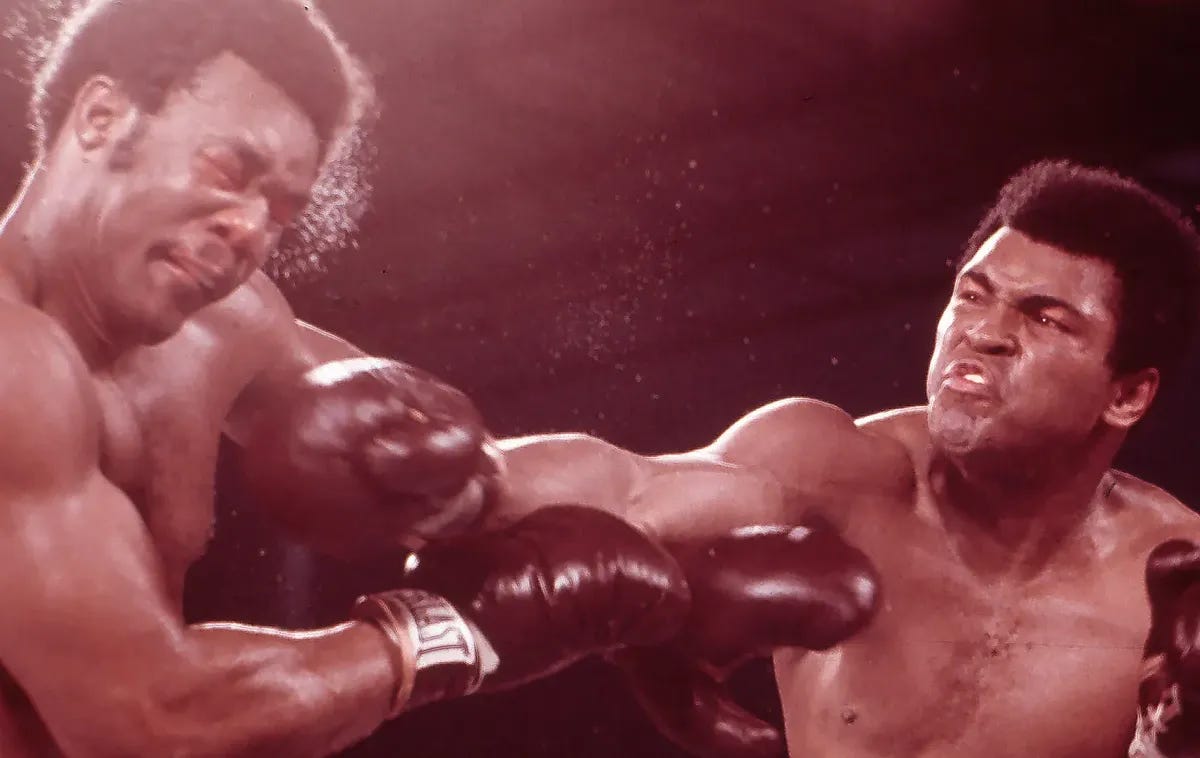
Foreman and Ali. I have changed my mind about boxing over time, and it doesn’t seem to fit with my distaste for brain damage incurred in football. I used to think of it as absolutely horrific while simultaneously thinking Muhammad Ali was fucking brilliant. But the writing around the Foreman–Ali fight eventually swayed me into appreciating what that particular contest was and what it meant, and how Ali wrested agency back from his many oppressors.
Who is the single greatest player of all time?
If we have to talk about football, then sure Messi.
But I’m constantly pulled away from football and toward other forms of sporting greatness. I don’t know why my imagination is so pugilistic, but figures such as Bruce Lee and Muhammad Ali represent a different way of thinking for me.
Then there is cricket. Through C. L. R. James, I can understand how cricket worked on my imagination at a particular moment. Viv Richards is another person I think of as simply knowing what he was doing, in an enormously satisfying way.
This was a source of considerable tension during the India vs West Indies World Cup Final in 1983: I had been conscripted into supporting India, but Viv Richards was Viv Richards, and his demolition of the India test team earlier that year had seared itself in my memory. So what I’m saying is that, even then, I was supporting the West Indies and practicing treason. India won.
Can you select your all-time greatest eleven?
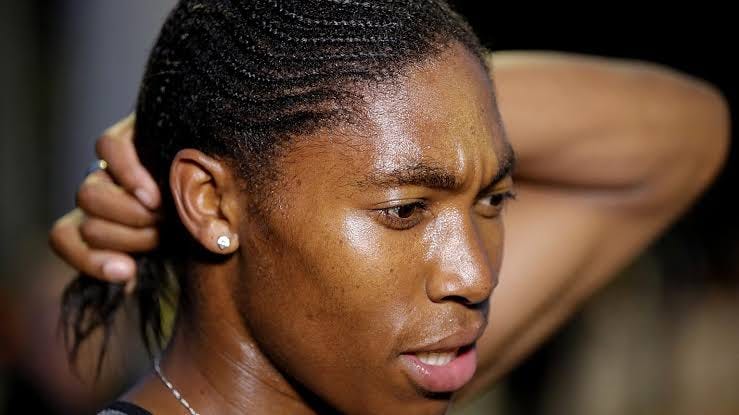
Billie Jean King, Simone Biles, Muhammad Ali, Bruce Lee, Viv Richards, Colin Kaepernick, Sócrates, Caster Semenya, Jesse Owens, Serena Williams, and C. L. R. James (he was a first-class player after all)
What song best matches your team’s energy, rhythm or attitude?
“God Save the Queen,” The Sex Pistols. See 4 above.
What film best captures the feelings or memories you associate with sport and fandom?
My first instinct is “Escape to Victory,” because sport often seems to me like an elaborate metaphor for trying to escape the conditions under which the game is being played.
But the real answer is probably “Shaolin Soccer.” It understands that sport is absurd, bodily and excessive. It offers joy without requiring reverence or respectability. I find that much easier to love.
Can you assemble a metaphorical starting eleven drawn from politics, culture, intellectual life, music and film?
I was just going to list the German vs Greek philosophers from the Monty Python sketch, but here’s something in a similar vein. Goalkeeper: Baruch Spinoza; Defense: Rosa Luxemburg, C. L. R. James and Jafar Panahi; Midfield: Karl Marx, Nina Simone, Jacqueline du Pré and Stanley Kubrick; Attack: Malcolm X, Frantz Fanon and Silvia Federici.
great post, Raj...like you I was enthralled by Foreman v Ali...I would also have chosen the Pistols as a soundtrack (but definitely Georgie Best over Keegan....though both were brilliant!)
OK, this is silly but it's got some great one-liners! Thanks for posting.